यदि आपको लगता है कि आपकी वैश्विक एसईओ रणनीति को AI द्वारा "चुपके से लूटा" जा रहा है, तो आप कल्पना नहीं कर रहे हैं।
गार्टनर ने सार्वजनिक रूप से भविष्यवाणी की थी कि पारंपरिक सर्च इंजन वॉल्यूम में गिरावट आएगी 25% 2026 तक क्योंकि AI चैटबॉट और वर्चुअल एजेंट पारंपरिक खोज व्यवहारों को प्रतिस्थापित करते हैं। प्यू रिसर्च सेंटर ने मापा कि जमीन पर यह कैसा दिखता है: जब कोई AI सारांश दिखाई देता है, तो उपयोगकर्ता बाहरी लिंक पर क्लिक करते हैं कम, और सारांश के अंदर लिंक पर क्लिक दुर्लभ.
🌍 नई जीत की स्थिति
AI ओवरव्यू आपके अनुवादित पृष्ठ को इस तरह से "रैंक" नहीं करते हैं जैसे Google पहले एक नीला लिंक रैंक करता था। वे पुनः प्राप्त करें, निकालें और उद्धृत करेंजीत की स्थिति अब "स्पेनिश में #1 स्थान" नहीं है। यह है:
"स्पेनिश पृष्ठ वह स्रोत बन जाता है जिसे मॉडल उद्धृत करने में आत्मविश्वास महसूस करता है।"
और यहाँ वह हिस्सा है जिसे अधिकांश ब्रांड चूक जाते हैं: अनुवाद दृश्यता के लिए आपके सतह क्षेत्र का विस्तार करता है, लेकिन यह आपके विफलता मोड को भी गुणा करता है।
गलत तरीके से किया गया, अनुवादित सामग्री बन जाती है:
अनुपलब्ध
गलत यूआरएल संरचना, अवरुद्ध क्रॉलिंग, गायब आंतरिक लिंक
अविश्वसनीय
पतला मशीन अनुवाद, बेमेल इकाइयाँ, कोई स्थानीय साक्ष्य नहीं
अउद्धृत
उत्तर दबा हुआ, कमजोर संरचना, कोई परिभाषा नहीं, कोई स्कीमा नहीं
यह गाइड के दृष्टिकोण से लिखा गया है MultiLipi से विकसित हो रहा है बहुभाषी SEO को बहुभाषी जियो (जनरेटिव इंजन ऑप्टिमाइज़ेशन)—ताकि आपके अनुवादित पृष्ठ केवल मौजूद न हों, वे दिखाई दें और उनका हवाला दिया जाए।
AI ओवरव्यू बहुभाषी SEO अर्थशास्त्र को क्यों बदलते हैं
Google का अपना मार्गदर्शन सूक्ष्म तरीके से स्पष्ट है: AI ओवरव्यू के लिए विशेष रूप से किसी ऑप्टिमाइज़ेशन की आवश्यकता नहीं है—लेकिन आपको उन्हीं मूल बातों को पूरा करना होगा जो किसी पेज को स्निपेट के साथ दिखाई देने, इंडेक्स होने और एक ठोस पेज अनुभव प्रदान करने के योग्य बनाती हैं।
तो इतने सारे अनुवादित पृष्ठ अभी भी क्यों विफल होते हैं?
क्योंकि AI ओवरव्यू "10 ब्लू लिंक्स" से अलग तरह से काम करते हैं:
- वे उपयोग कर सकते हैं क्वेरी फैन-आउट एक उत्तर को इकट्ठा करने के लिए (उप-विषयों में कई संबंधित खोजें), जो पुनर्प्राप्ति परिदृश्य को बदलता है।
- वे एक उद्धृत कर सकते हैं पृष्ठों का व्यापक सेट क्लासिक रैंकिंग का सुझाव देने की तुलना में (चुनौती देने वालों के लिए अच्छी खबर, निष्क्रिय रहने वालों के लिए बुरी खबर)।
- वे प्राथमिकता देते हैं साफ, निकालने योग्य उत्तर, "कीवर्ड-अनुकूलित पैराग्राफ जो अंततः बिंदु तक पहुंचते हैं" नहीं।
एक कार्यकारी के नजरिए से
बदलाव सरल है: ट्रैफ़िक अब एकमात्र मुद्रा नहीं है। AI परत में, उद्धरण वितरण बन जाते हैं।
यही कारण है कि अनुवादित सामग्री अब अधिक महत्वपूर्ण है, कम नहीं। यदि आपके प्रतियोगी केवल अंग्रेजी में प्रकाशित करते हैं, लेकिन आपका ब्रांड स्पेनिश, अरबी, जर्मन और जापानी उत्तर स्थान का मालिक है, तो आप संभावना बढ़ाते हैं कि एआई सिस्टम बहुभाषी, स्थानीयकृत या क्षेत्र-विशिष्ट प्रश्नों के उत्तर देते समय आपकी सामग्री प्राप्त करें।
वे संस्थाएँ जिन्हें AI सिस्टम आपसे जल्दी परिभाषित करने की अपेक्षा करते हैं
जब हम "इकाइयों" कहते हैं, तो हमारा मतलब उन अवधारणाओं से है जिन्हें मशीनें लगातार पहचान सकती हैं, मैप कर सकती हैं और भाषाओं में पुन: उपयोग कर सकती हैं। यदि आपके अनुवाद इकाई स्पष्टता को तोड़ते हैं, तो आप केवल रैंकिंग ही नहीं खोते हैं - आप अनदेखा या गलत तरीके से प्रस्तुत होने का जोखिम बढ़ाते हैं।
AI ओवरव्यू
Google Search में AI-जनित सारांश जो गहन अन्वेषण के लिए प्रासंगिक लिंक प्रस्तुत करते हैं। वे जैसी तकनीकों का उपयोग कर सकते हैं क्वेरी फैन-आउट उप-विषयों में सहायक पृष्ठ खोजने के लिए।
जनरेटिव इंजन ऑप्टिमाइज़ेशन
GEO आपकी वेब उपस्थिति को इस तरह से संरचित करने का अभ्यास है कि AI सिस्टम आपको एक सहायक स्रोत के रूप में पुनः प्राप्त कर सकें, उस पर भरोसा कर सकें और उसका हवाला दे सकें (विशेषकर उत्तर-प्रथम इंटरफ़ेस में)। यह क्लासिक SEO का विस्तार करता है न कि उसे प्रतिस्थापित करता है। यहाँ और जानें मल्टीलिपि जियो गाइड.
Hreflang टैग
Hreflang सर्च इंजनों को बताता है कि कौन सा URL किस भाषा/लोकेल वेरिएंट के लिए अभिप्रेत है, जिससे गलत-भाषा रैंकिंग और स्थानीयकृत संस्करणों में भ्रम को रोकने में मदद मिलती है। हमारा पढ़ें hreflang टैग परिभाषा.
कैननिकल टैग
एक कैनोनिकल टैग डुप्लिकेट-सामग्री संघर्षों से बचने के लिए यूआरएल का पसंदीदा संस्करण घोषित करता है—यह तब महत्वपूर्ण होता है जब क्षेत्रीय पृष्ठ समान होते हैं या जब अनुवाद सेटअप गलती से सब कुछ वापस अंग्रेजी में कैनोनिकलाइज़ कर देते हैं। हमारा देखें कैनोनिकल टैग परिभाषा.
संरचित डेटा और स्कीमा मार्कअप
Google स्पष्ट रूप से कहता है कि वह सामग्री को बेहतर ढंग से समझने के लिए संरचित डेटा का उपयोग करता है, जिसमें संगठनों, उत्पादों और लेखकों जैसी संस्थाएं शामिल हैं। बहुभाषी GEO में, स्कीमा "अतिरिक्त" नहीं है। यह भाषाओं में मशीन-पठनीय होने का हिस्सा है।
रोबोट मेटा नियंत्रण
यदि आप स्निपेट को ब्लॉक करते हैं, तो आप समावेश को ब्लॉक कर सकते हैं। Google के रोबोट मेटा टैग विनिर्देश में स्पष्ट रूप से उल्लेख किया गया है कि निर्देश जैसे nosnippet खोज अनुभवों में स्निपेट को प्रभावित कर सकते हैं और सामग्री को एआई अनुभवों में इनपुट के रूप में उपयोग होने से रोक सकते हैं।
AI ओवरव्यू में अनुवादित सामग्री कैसे उद्धृत की जाती है
AI ओवरव्यू दृश्यता को एक पाइपलाइन के रूप में सोचें तीन गेट. एक गेट चूक जाएं, और आपका अनुवादित पृष्ठ पूरी तरह से लिखा हो सकता है—और फिर भी कभी दिखाई नहीं देगा।
🚪 तीन उद्धरण गेट
गेट 1: पात्रता (इंडेक्सिंग और स्निपेट-योग्य)
Google की AI-सुविधाओं के दस्तावेज़ बताते हैं कि पेज को होना चाहिए अनुक्रमित और स्निपेट के साथ खोज में दिखाए जाने के योग्य; उससे परे कोई अतिरिक्त तकनीकी आवश्यकताएं नहीं हैं।
यह महत्वपूर्ण है क्योंकि कई अनुवाद कार्यान्वयन गलती से बनाते हैं: robots.txt में अवरुद्ध पथ, "पतले" द्वार पृष्ठ, विहित संघर्ष, या जावास्क्रिप्ट रेंडरिंग समस्याएं जो क्रॉलर से मुख्य पाठ सामग्री को छिपाती हैं।
गेट 2: पुनर्प्राप्ति (क्या सिस्टम सही भाषा यूआरएल ढूंढ सकता है?)
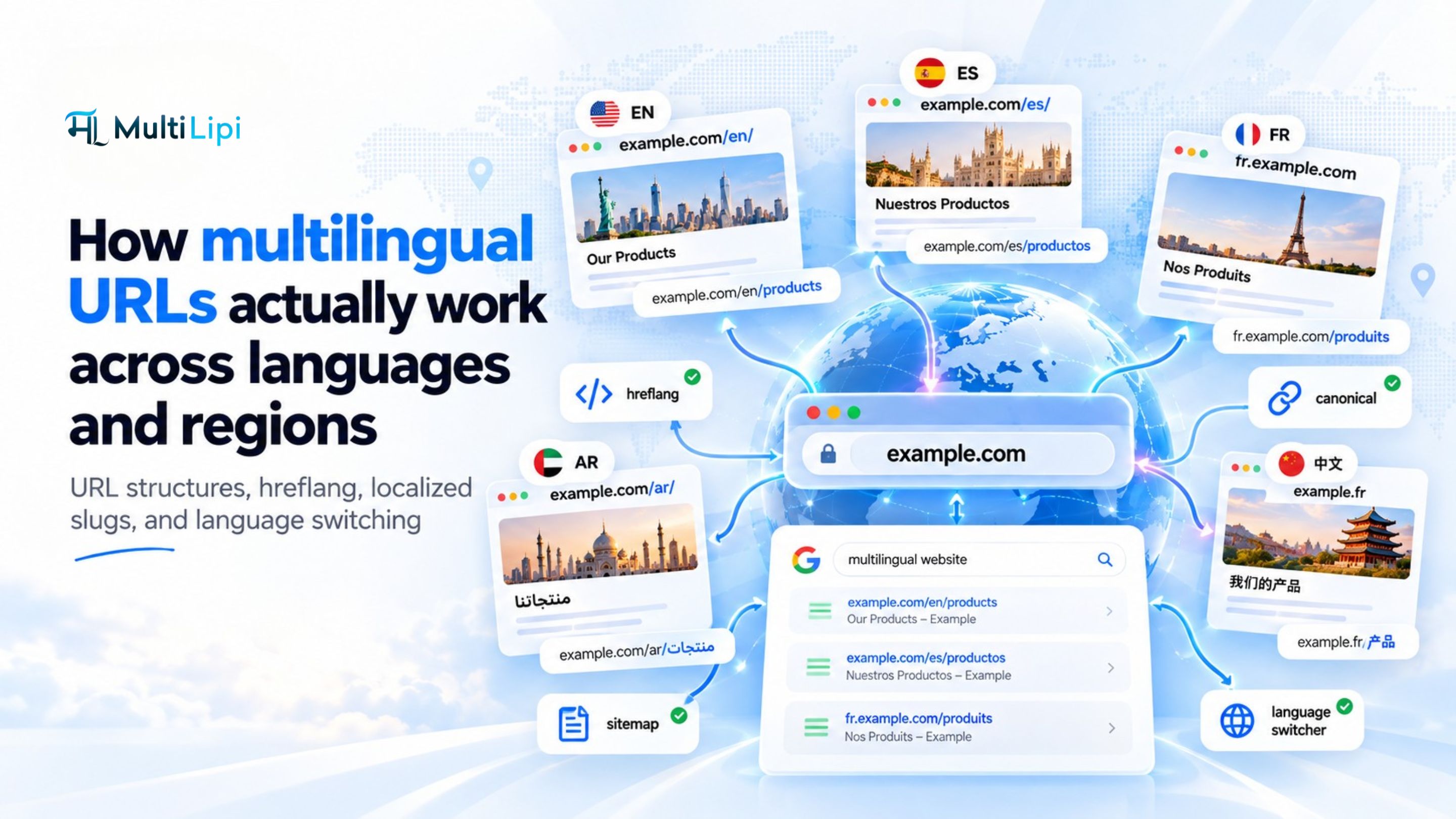
Google उपयोग करने की सलाह देता है अलग-अलग यूआरएल प्रत्येक भाषा संस्करण के लिए, न कि कुकीज़ या ब्राउज़र सेटिंग्स के माध्यम से गतिशील रूप से भाषाओं को स्वैप करके। यह यह भी चेतावनी देता है कि Googlebot आम तौर पर अमेरिका से क्रॉल करता है और Accept-Language सेट नहीं करता है।
सरल शब्दों में: आपका स्पेनिश पृष्ठ एक क्रॉल करने योग्य, लिंक करने योग्य URL के रूप में मौजूद होना चाहिए—और यह अपने विकल्पों से जुड़ा होना चाहिए hreflang और आंतरिक लिंक।
गेट 3: निष्कर्षण (क्या सिस्टम जल्दी से उत्तर खींच सकता है?)
AI सिस्टम पक्षपाती होते हैं तेज़ निष्कर्षण. Ahrefs में उद्योग अनुसंधान से पता चलता है कि AI ओवरव्यू प्रासंगिकता और प्रत्यक्ष उत्तरों को बहुत अधिक पुरस्कृत करते हैं; उनके विश्लेषण में पाया गया कि AI ओवरव्यू अक्सर प्रश्न संबंधी प्रश्नों के लिए ट्रिगर होते हैं, और उद्धरणों का पारंपरिक दृश्यता (टॉप 10 उपस्थिति) के साथ मजबूत संबंध होता है, जबकि शब्द गणना का उद्धरणों से लगभग शून्य संबंध होता है।
अनुवादित सामग्री के लिए, यह निष्कर्षण गेट वह जगह है जहाँ अधिकांश टीमें हार जाती हैं। वे पैराग्राफ का अनुवाद करते हैं, लेकिन वे संरचना को "कोट-रेडी" ब्लॉक में अनुवादित नहीं करते हैं।
AI ओवरव्यू में अनुवादित पृष्ठों को रैंक करने के लिए तकनीकी प्लेबुक
यह वह हिस्सा है जिसे आपकी इंजीनियरिंग टीम और SEO लीड एक चेकलिस्ट के रूप में निष्पादित कर सकते हैं। यदि आप चाहते हैं कि AI सिस्टम आपके अनुवादित पृष्ठों का उद्धरण दें, तो आपको पहले उन्हें बनाना होगा तकनीकी रूप से असंदिग्ध.
प्रति भाषा एक क्रॉल करने योग्य, स्थायी URL का उपयोग करें
केवल क्लाइंट साइड पर स्थिर यूआरएल के बिना फिर से लिखने वाले भाषा टॉगल पर भरोसा न करें। Google का बहुभाषी मार्गदर्शन स्पष्ट रूप से प्रति भाषा अलग यूआरएल की सिफारिश करता है।
कम से कम, आपका सेटअप लगातार इन पैटर्न में से एक का समर्थन करना चाहिए:
- उपनिर्देशिकाएँ: /es/, /de/, /fr/
- सबडोमेन: es.example.com
- ccTLDs: example.de
विशिष्ट विकल्प से अधिक महत्वपूर्ण है संगति + सही एनोटेशन + अनुक्रमणिका.
Hreflang को अटूट बनाएं
Hreflang "सर्वोत्तम अभ्यास" नहीं है। यह है रूटिंग लेयर जो आपके अनुवादित पृष्ठों को एक-दूसरे के साथ प्रतिस्पर्धा करने या गलत बाज़ार में प्रदर्शित होने से रोकता है।
Google के hreflang दस्तावेज़ से गैर-परक्राम्य:
- hreflang एनोटेशन होना चाहिए द्विदिश या उन्हें अनदेखा किया जा सकता है
- सभी वेरिएंट शामिल करें, जिसमें पेज स्वयं भी शामिल है, और सेट रखें सुसंगत
- उपयोग
x-defaultजहां उपयुक्त हो एक कैच-ऑल पेज के लिए
अपने कार्यान्वयन का शीघ्रता से ऑडिट करने के लिए: MultiLipi - मुफ़्त hreflang टैग चेकर.
बड़े पैमाने पर अनुवाद करने से पहले कैनोनिकल टैग ठीक करें
कैनोनिकल त्रुटियाँ चुपचाप बहुभाषी दृश्यता को नष्ट कर देती हैं—क्योंकि वे अनुवादित URL को स्रोत भाषा के डुप्लिकेट के रूप में माने जाने का कारण बन सकती हैं।
दो विफलता पैटर्न जो सबसे अधिक मायने रखते हैं:
- क्रॉस-भाषा कैनोनिकलाइज़ेशन (स्पेनिश पृष्ठ कैननिकल अंग्रेजी यूआरएल की ओर इशारा करता है)
- कैननिकल + hreflang संघर्ष (संकेत असहमत हैं, Google को चुनना होगा)
इसे जल्दी पकड़ने के लिए इसका उपयोग करें: मल्टीलिपि - कैनोनिकल टैग स्थिरता चेकर.
केवल दृश्य परत नहीं, "मशीन परत" का अनुवाद करें
Google स्पष्ट रूप से पृष्ठ पर सामग्री और संस्थाओं को समझने के लिए संरचित डेटा का उपयोग करता है। यदि आपका अनुवादित पृष्ठ जर्मन है लेकिन आपका स्कीमा अभी भी केवल अंग्रेजी संगठन डिस्क्रिप्टर कहता है, तो आप एक मशीन बेमेल.
दो क्रियाएं जो लगातार AI पठनीयता को बढ़ाती हैं:
- मौजूदा स्कीमा कवरेज और त्रुटियों को मान्य करें: MultiLipi - मुफ़्त Schema.org चेकर
- मुख्य इकाई प्रकारों (संगठन, लेख, उत्पाद, FAQPage) के लिए स्वच्छ JSON-LD उत्पन्न करें: मल्टीलिपि - मुफ्त स्कीमा जनरेटर
बहुभाषी SEO + GEO के अनुरूप एक गहरी कार्यान्वयन ब्लूप्रिंट के लिए, इसका उपयोग करें: मल्टीलिपि - बहुभाषी स्कीमा मार्कअप गाइड.
AI समावेशन से गलती से ऑप्ट-आउट न करें
कई टीमें आधुनिक निहितार्थों को समझे बिना सामग्री-नियंत्रण निर्देशों को कॉपी-पेस्ट करती हैं। Google के रोबोट मेटा दस्तावेज़ स्पष्ट रूप से बताते हैं कि स्निपेट नियंत्रण खोज सतहों पर लागू होते हैं, जिसमें AI अनुभव भी शामिल हैं, और यह प्रभावित कर सकते हैं कि सामग्री का उपयोग इनपुट के रूप में किया जाता है या नहीं।
इसलिए यदि आपका लक्ष्य रैंक करना और उद्धृत होना है:
- व्यापक से बचें
nosnippetउस सामग्री पर जिसका आप उपयोग करना चाहते हैं - अत्यधिक प्रतिबंधात्मक स्निपेट सीमाओं के साथ सावधान रहें
- पेज-स्तरीय या अनुभाग-स्तरीय नियंत्रणों का उपयोग करके जिसे आप छिपाते हैं उसे सेगमेंट करें
llms.txt का जानबूझकर उपयोग करें
LLM क्रॉलर प्लेटफ़ॉर्म के पार असंगत हैं, लेकिन एक का रणनीतिक मूल्य llms.txt फ़ाइल सरल है: यह मानव-ऑडिटेबल इंडेक्स है कि आप मॉडल को पहले क्या पढ़ना चाहते हैं।
जल्दी से एक साफ संस्करण उत्पन्न करें: MultiLipi - मुफ्त llms.txt जनरेटर.
अनुवादित पृष्ठों को आंतरिक रूप से खोजने योग्य बनाएं
Google की AI सुविधाओं की मार्गदर्शिका अभी भी आंतरिक लिंकिंग पर जोर देती है - उन मूलभूत बातों के हिस्से के रूप में जो प्रासंगिक बनी हुई हैं।
आपके बहुभाषी आंतरिक लिंकिंग नियमों में शामिल होना चाहिए:
- भाषा स्विचर लिंक जो हैं क्रॉल करने योग्य (केवल JS नहीं)
- संबंधित अनुवादित संसाधनों के लिए अनुवादित सामग्री के भीतर प्रासंगिक लिंक
- प्रति भाषा हब पेज (केवल अंग्रेजी में नहीं)
एक संरचित गाइड के लिए: मल्टीलिपि - hreflang और एआई सर्च इंजन ऑप्टिमाइज़ेशन.
हर भाषा में AI उद्धरण दृश्यता के लिए सामग्री प्लेबुक
अधिकांश बहुभाषी ब्लॉग "फ़ीचर + कॉन्सेप्ट हैवी" होते हैं। जो रैंक होता था। Google + LLM-संचालित अनुभव अब क्या पुरस्कृत करते हैं: समस्या-समाधान, क्वेरी-मिलान, निकालने योग्य संरचना, सत्यापन योग्य विशिष्टता.
उत्तर से शुरू करें, पृष्ठभूमि से नहीं
AI ओवरव्यू संतुष्टि के लिए अनुकूलित हैं, साहित्यिक निर्माण के लिए नहीं। आपके अनुवादित पृष्ठ को इससे शुरू होना चाहिए: एक वाक्य का सीधा उत्तर, उसके बाद एक संक्षिप्त, संरचित विस्तार (बुलेट या चरण), फिर गहरा संदर्भ।
क्वेरी का स्थानीयकरण करें, न कि केवल शब्दों का
Google का अंतर्राष्ट्रीय मार्गदर्शन बहुभाषी को बहु-क्षेत्रीय लक्ष्यीकरण से अलग करता है। इसका तात्पर्य है: "स्पेनिश" एक दर्शक वर्ग नहीं है। स्पेन, मैक्सिको, अर्जेंटीना और यू.एस. स्पेनिश अलग-अलग खोज करते हैं। आपके अनुवाद वर्कफ़्लो में शामिल होना चाहिए स्थानीयकृत कीवर्ड अनुसंधान.
कार्य का दायरा निर्धारित करने के लिए: मुफ़्त वेबसाइट शब्द गणना टूल.
ऐसे परिभाषा ब्लॉक लिखें जिन्हें LLM सुरक्षित रूप से पुन: उपयोग कर सकें
जब कोई मॉडल अनिश्चित होता है, तो वह उद्धृत करने से बचता है (या वह भ्रमित करता है)। संरचना अनिश्चितता को कम करती है। प्रत्येक अनुवादित स्तंभ पृष्ठ में शामिल होना चाहिए: स्पष्ट परिभाषाएँ ("X क्या है?" उस भाषा में), बाधाएँ और किनारे के मामले, एक न्यूनतम उदाहरण।
विश्वसनीय संदर्भों के साथ "साक्ष्य घनत्व" का निर्माण करें
अनुवादित सामग्री जो उद्धरण अर्जित करती है, उसमें शामिल होती है: प्राथमिक स्रोत (आधिकारिक दस्तावेज़, मानक), स्थानीयकृत संदर्भ जहाँ प्रासंगिक हों (.gov, विश्वविद्यालय, नियामक), मूल डेटा (बेंचमार्क, स्क्रीनशॉट, देखे गए परिणाम)।
निकाले जाने के लिए डिज़ाइन किए गए FAQ जोड़ें
FAQs कोई फ़्लफ़ नहीं हैं यदि उन्हें सही ढंग से इंजीनियर किया गया हो। उन्हें लक्षित करने के लिए उपयोग करें: लोग भी पूछते हैं-शैली के प्रश्न, क्वेरी फैन-आउट उप-प्रश्न, आपत्तियां और तुलनाएं।
सुनिश्चित करें कि प्रत्येक अनुवादित पृष्ठ का एक मापने योग्य GEO स्कोर हो
आप उसका प्रबंधन नहीं कर सकते जिसे आप माप नहीं सकते। एक व्यावहारिक मीट्रिक है: "क्या कोई मॉडल इस पृष्ठ का आत्मविश्वास से हवाला देगा?"
माप जो साबित करता है कि आप एआई ओवरव्यू जीत रहे हैं
सीएमओ के लिए सबसे कठिन काम है घबराहट के बिना बदलाव की रिपोर्ट करना। यहाँ वह है जो आज मापने योग्य है।
खोज कंसोल का सही उपयोग करें
Google बताता है कि AI सुविधाओं में दिखाई देने वाली साइटें Search Console की समग्र Search ट्रैफ़िक रिपोर्टिंग (प्रदर्शन रिपोर्ट "Web" के अंतर्गत) में शामिल हैं।
हर मामले में आपको "AI ओवरव्यू क्लिक्स" की सटीक संख्या नहीं मिलेगी, लेकिन आप इन संकेतों को ट्रैक कर सकते हैं: इंप्रेशन बढ़ रहे हैं जबकि क्लिक स्थिर हैं (संभवतः AI सारांश विस्थापन), लॉन्च के बाद गैर-अंग्रेजी बाजारों में क्वेरी वृद्धि, आपके द्वारा अर्जित क्लिक्स पर जुड़ाव की गुणवत्ता।
सही KPI ट्रैक करें: केवल रैंक नहीं, उद्धरण दृश्यता
एक रणनीतिक लेंस से, KPI बन जाता है:
- "हमें प्रत्येक लक्षित भाषा में गैर-ब्रांडेड प्रश्नों के लिए कितनी बार उद्धृत किया जाता है?"
- "कौन सा अनुवादित पृष्ठ श्रेणी प्रश्नों के लिए पुनर्प्राप्ति स्रोत बन रहा है?"
उन तकनीकी समस्याओं को पकड़ने के लिए जो पात्रता को अवरुद्ध करती हैं (लापता H1s, विहित समस्याएँ, धीमे पृष्ठ, कमजोर मेटाडेटा), चलाएँ: मल्टीलिपि - मुफ्त वेबसाइट एसईओ विश्लेषक.
बहुभाषी AI ऑडिट चलाएँ
क्योंकि AI सारांश क्लिक व्यवहार को कम करते हैं, आपको सीधे दृश्यता का परीक्षण करना होगा। एक आवर्ती ऑडिट सेट करें:
- प्रत्येक भाषा में प्रश्न
- स्थानीय संशोधकों के साथ प्रश्न ("मेरे पास", शहर, क्षेत्र, मानक)
- तुलना क्वेरी ("सर्वश्रेष्ठ," "बनाम," "विकल्प")
फिर दस्तावेज़: किसे उद्धृत किया जाता है, यूआरएल का कौन सा भाषा संस्करण उद्धृत किया जाता है, क्या आपकी ब्रांड एंटिटी सही ढंग से प्रस्तुत की जाती हैं।
बहुभाषी GEO में महारत हासिल करने के लिए तैयार हैं?
यदि क्लिक कम हो रहे हैं, तो बहुभाषी GEO में निवेश क्यों करें? क्योंकि बाज़ार बदल रहा है: गार्टनर का पूर्वानुमान क्लासिक खोज व्यवहारों पर घटती निर्भरता का अर्थ है। जो ब्रांड जीतते हैं वे वे होते हैं जो उद्धृत स्रोत बन जाते हैं—और बहुभाषी कवरेज उन प्रश्नों और बाज़ारों की संख्या का विस्तार करता है जहाँ आप उस स्थिति का मालिक हो सकते हैं।
AI खोज ओवरव्यू में अनुवादित सामग्री को रैंक करने के लिए अक्सर पूछे जाने वाले प्रश्न
क्या अनुवादित सामग्री AI ओवरव्यू में ऑर्गेनिक रूप से टॉप 3 में रैंक किए बिना रैंक कर सकती है?
अक्सर, आपको अभी भी मजबूत ऑर्गेनिक विजिबिलिटी से लाभ होता है। उद्योग अनुसंधान इंगित करता है कि AI ओवरव्यू उद्धरणों का एक बड़ा हिस्सा शीर्ष ऑर्गेनिक परिणामों के साथ ओवरलैप होता है, लेकिन शीर्ष पदों के बाहर भी सार्थक उद्धरण होता है - खासकर जब उद्धृत पृष्ठ अधिक निकालने योग्य और सीधे प्रयोग करने योग्य हो।
क्या Google भाषा का पता लगाने के लिए hreflang का उपयोग करता है?
नहीं। Google दस्तावेज़ बताता है कि यह किसी पेज की भाषा निर्धारित करने के लिए एल्गोरिदम का उपयोग करता है और भाषा का पता लगाने के लिए hreflang या HTML lang विशेषता का उपयोग नहीं करता है; hreflang स्थानीयकृत वेरिएंट को समझने और सही संस्करण परोसने के लिए है।
अनुवादित पृष्ठ दिखाई न देने का सबसे बड़ा तकनीकी कारण क्या है?
कैनोनिकल और hreflang की विफलताएं सबसे आम "साइलेंट किलर" हैं क्योंकि वे या तो आपके अनुवादित URL को स्रोत पृष्ठ में ढहा देती हैं या Google को आपकी एनोटेशन को अनदेखा करने का कारण बनती हैं।
क्या मुझे हर अनुवादित पृष्ठ पर स्कीमा मार्कअप की आवश्यकता है?
यदि आप चाहते हैं कि मशीनें आपको लगातार समझें और उद्धृत करें, तो आपको स्कीमा को अपने बहुभाषी बुनियादी ढांचे के हिस्से के रूप में मानना चाहिए। Google सामग्री और संस्थाओं को बेहतर ढंग से समझने के लिए स्पष्ट रूप से संरचित डेटा का उपयोग करता है।
यदि क्लिक कम हो रहे हैं, तो बहुभाषी GEO में निवेश क्यों करें?
क्योंकि बाज़ार बदल रहा है: गार्टनर का पूर्वानुमान क्लासिक खोज व्यवहारों पर निर्भरता में कमी का संकेत देता है, और प्यू का डेटा सारांश दिखाई देने पर क्लिकिंग में कमी की पुष्टि करता है। जो ब्रांड जीतते हैं वे वे हैं जो उद्धृत स्रोत बन जाते हैं - और बहुभाषी कवरेज उन प्रश्नों और बाज़ारों की संख्या का विस्तार करता है जहाँ आप उस स्थिति का मालिक हो सकते हैं।