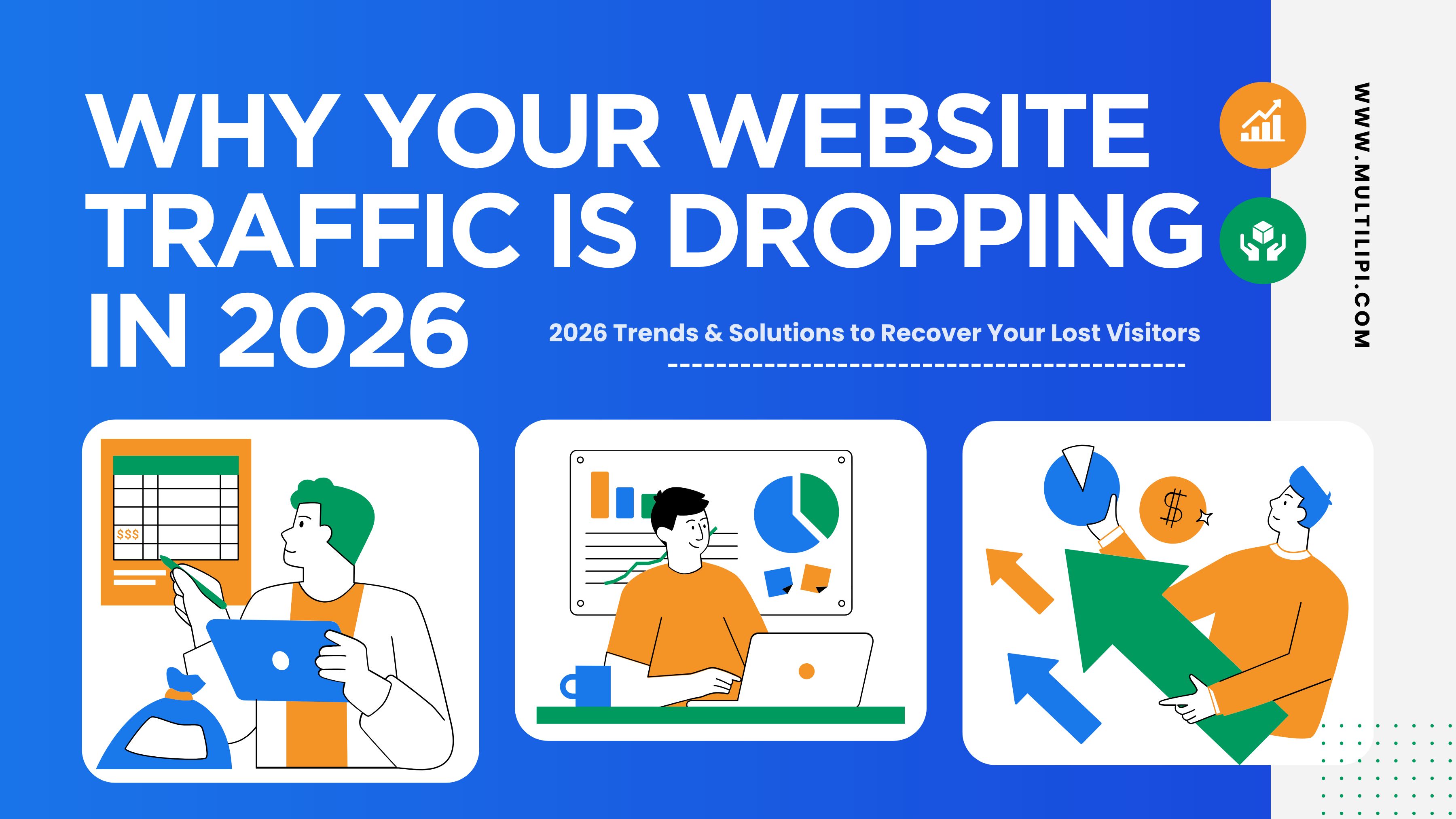
यदि 2026 में आपका ऑर्गेनिक ट्रैफ़िक फिसल रहा है, तो आप कल्पना नहीं कर रहे हैं। और इससे भी महत्वपूर्ण बात यह है कि आप अकेले नहीं हैं।
उद्योगों में, मार्केटिंग टीमें Google Search Console, GA4, और SEO डैशबोर्ड खोल रही हैं केवल एक ही पैटर्न देखने के लिए: इंप्रेशन अभी भी हो सकते हैं, रैंकिंग विनाशकारी नहीं लग सकती है, लेकिन क्लिक नरम हैं, जुड़ाव अधिक अस्थिर है, और वह विकास वक्र जो कभी अनुमानित लगता था, अब उसी तरह व्यवहार नहीं करता है। कई CMOs, SEO प्रबंधकों और संस्थापकों के लिए, यह एक निराशाजनक स्थिति पैदा करता है। आप अभी भी सामग्री, तकनीकी एसईओ, बैकलिंक्स और लैंडिंग पृष्ठ सुधारों में निवेश कर रहे होंगे, फिर भी आउटपुट उस तरह से प्रयास से मेल नहीं खाता जैसा वह करता था।
2026 का ट्रैफिक रियलिटी
ज़ीरो-क्लिक सर्च (यू.एस.)
स्पार्कटोरो 2024
खोज ट्रैफ़िक में गिरावट
AI ओवरव्यू के बाद
शून्य-क्लिक खोज (ईयू)
स्पार्कटोरो 2024
वह डिस्कनेक्ट 2026 में खोज की असली कहानी है।
समस्या हमेशा यह नहीं होती कि आपकी सामग्री की गुणवत्ता गिर गई है। यह हमेशा नहीं होता कि प्रतियोगी अचानक बेहतर हो गए हैं। और यह भी हमेशा नहीं होता कि Google ने आपको "दंडित" किया है। कई मामलों में, आपकी दृश्यता बिल्कुल भी गायब नहीं हुई है। यह बस वेब की एक नई परत में समा गई है - एक ऐसी परत जहाँ उत्तर तेजी से दिखाई देते हैं पहले क्लिक पर, सारांश अन्वेषण की जगह ले लेते हैं, और AI सिस्टम तय करते हैं कि किन स्रोतों को सामने लाया जाए, उनका सारांश निकाला जाए और उनका हवाला दिया जाए।
वह बदलाव जिसका अधिकांश ब्रांड अभी भी कम आंकलन करते हैं
वर्षों से, SEO एक अपेक्षाकृत स्थिर आदान-प्रदान के आसपास बनाया गया था: एक उपयोगकर्ता ने एक क्वेरी टाइप की, Google ने लिंक की एक सूची लौटाई, और सबसे अच्छा-अनुकूलित पृष्ठ ने क्लिक अर्जित किया। वह मॉडल अब टूट रहा है। हमारे व्यापक के साथ अनुकूलन कैसे करें जानें GEO गाइड.
असुविधाजनक सत्य: आपके ट्रैफ़िक का जवाब ऊपर दिया जा रहा है
ड्रॉप का निदान करने से पहले, आइए उन संस्थाओं को परिभाषित करें जो इस नए परिदृश्य में मायने रखती हैं।
ज़ीरो-क्लिक सर्च क्या है?
शून्य-क्लिक खोज तब होता है जब किसी उपयोगकर्ता को स्वयं खोज इंटरफ़ेस से पर्याप्त मूल्य मिल जाता है और वह कभी भी वेबसाइट पर नहीं जाता है। स्पार्कटोरो के 2024 के अध्ययन में पाया गया कि 58.5% अमेरिकी गूगल खोज और 59.7% यूरोपीय संघ गूगल खोज बिना ओपन वेब पर क्लिक किए समाप्त हो गईं। हमारे शून्य-क्लिक बहुभाषी ट्रैफ़िक गाइड.
AI ओवरव्यू क्या है?
एक एआई अवलोकन Google की AI-जनित सारांश परत सर्च परिणामों के अंदर है। Google का कहना है कि AI ओवरव्यू और AI मोड उपयोगकर्ताओं को वेब एक्सप्लोर करने में मदद करने के लिए लिंक दिखाते हैं, और सामान्य SEO सर्वोत्तम प्रथाएं अभी भी शामिल होने के लिए लागू होती हैं।
GEO क्या है?
जेनरेटिव इंजन ऑप्टिमाइज़ेशन (GEO) सामग्री को इस तरह से संरचित करने का अभ्यास है कि AI सिस्टम आत्मविश्वास से उसे पुनः प्राप्त कर सकें, समझ सकें और उसका हवाला दे सकें। यह SEO का विकल्प नहीं है। यह SEO के ऊपर की अगली परत है। मल्टीलिपि का GEO गाइड और कीवर्ड से एंटिटी गाइड रैंकिंग से उद्धरण तक इस बदलाव को विस्तार से समझाएं।
स्कीमा मार्कअप क्या है?
स्कीमा मार्कअप संरचित डेटा है, आमतौर पर JSON-LD, जो स्पष्ट रूप से मशीनों को बताता है कि आपका पृष्ठ, ब्रांड, उत्पाद, लेख, FAQ, या संगठन क्या है। Google पृष्ठ सामग्री को बेहतर ढंग से समझने और समृद्ध खोज दिखावट को शक्ति देने के लिए संरचित डेटा का उपयोग करता है। हमारे मुफ़्त का उपयोग करें स्कीमा जनरेटर और देखें बहुभाषी स्कीमा मार्कअप गाइड.
2026 में आपका ऑर्गेनिक ट्रैफिक क्यों घट रहा है
💡 अंतर्दृष्टि: उत्तर परत शिफ्ट
पुराना सर्च मॉडल सर्वश्रेष्ठ ब्लू लिंक को पुरस्कृत करता था। नया मॉडल अक्सर सर्वश्रेष्ठ स्रोत को पुरस्कृत करता है पीछे उत्तर।
यही कारण है कि कई साइटें इंप्रेशन को बनाए हुए हैं जबकि क्लिक कमजोर हो रहे हैं। सर्च इंजन लैंड ने रिपोर्ट किया कि AI ओवरव्यू लॉन्च होने के बाद, ट्रैफ़िक में भारी गिरावट आई, और मार्च 2026 की एक रिपोर्ट में कहा गया कि Q4 2025 तक AI ओवरव्यू के प्री-बेसलाइन से सर्च ट्रैफ़िक 42% कम हो गया था। एक अन्य रिपोर्ट में दिखाया गया कि यू.एस. और ईयू/यूके दोनों में ज़ीरो-क्लिक व्यवहार बढ़ने के साथ ऑर्गेनिक क्लिक गिरते रहे।
इसका मतलब यह नहीं है कि गूगल मर गया है। इसका मतलब है कि SERP एक बन गया है उत्तर इंजन.
एआई इंटरफेस क्लिक पथ को संपीड़ित कर रहे हैं
सर्च इंजन लैंड ने बताया कि AI ओवरव्यू लॉन्च होने के बाद, ट्रैफ़िक में भारी गिरावट आई, जिसमें AI-पूर्व आधार रेखाओं से 42% की गिरावट आई। संदर्भ के लिए, हमारी समीक्षा करें शून्य-क्लिक बहुभाषी ट्रैफ़िक गाइड.
आपकी साइट अनुक्रमणीय हो सकती है, लेकिन समझने योग्य नहीं
एक पेज को क्रॉल किया जा सकता है और फिर भी एआई रिट्रीवल में विफल हो सकता है। क्यों? क्योंकि मशीनें अस्पष्ट ब्रांड मैसेजिंग, पतली श्रेणी की कॉपी, दोहराए गए लिस्टिकल्स, या ऐसे पेज को पुरस्कृत नहीं करती हैं जो मुख्य उत्तर को इंट्रो फ्लफ के पीछे छिपाते हैं। वे स्पष्ट संस्थाओं, स्वच्छ तथ्यों, प्रत्यक्ष उत्तरों, मजबूत आंतरिक लिंकिंग और सत्यापन योग्य संरचना को पुरस्कृत करते हैं।
यही कारण है कि हमारा वैश्विक ई-ई-ए-टी अधिकार गाइड और सूचना लाभ गाइड एक ही बातचीत में होने चाहिए।
जावास्क्रिप्ट-भारी पेज अभी भी क्रॉल जोखिम पैदा करते हैं
Google जावास्क्रिप्ट को प्रोसेस कर सकता है, लेकिन यह अभी भी वर्कफ़्लो को अलग-अलग चरणों में बताता है: क्रॉलिंग, रेंडरिंग और इंडेक्सिंग। आपका React, Next.js, या JS-भारी साइट ब्राउज़र में एकदम सही दिख सकती है, जबकि बॉट्स, फ़ेचर्स और AI सिस्टम को कमजोर रेंडर किया गया HTML भेज सकती है।
हमारा प्रयोग करें LLM ऑप्टिमाइज़ेशन गाइड बेंचमार्क के रूप में।
आपकी क्रॉलर अनुमतियाँ गलत कॉन्फ़िगर की गई हो सकती हैं
OpenAI OAI-SearchBot और GPTBot जैसे क्रॉलर का उपयोग करता है। Perplexity खोज खोज और Perplexity-User के लिए PerplexityBot का दस्तावेजीकरण करता है। आपकी AI ऑडिट "Googlebot की अनुमति है" पर नहीं रुक सकती।
हमारे robots.txt वैलिडेटर और llms.txt जनरेटर.
पुनः प्राप्ति रणनीति के बिना अनुवाद दृश्यता को कमजोर करता है
बहुभाषी ब्रांडों के लिए, गिरावट और भी बदतर हो सकती है। आपके पास अनुवादित पृष्ठ हो सकते हैं, लेकिन यदि hreflang टूटा हुआ है, तो कैननिकल लॉजिक गंदा है, स्लग कमजोर हैं, स्कीमा का अनुवाद नहीं किया गया है, या स्थानीयकृत पृष्ठों में अद्वितीय इकाई संकेत नहीं हैं, तो खोज इंजन और AI सिस्टम दोनों सही संस्करण चुनने के लिए संघर्ष करेंगे।
यही कारण है कि हमारा बहुभाषी एसईओ गाइड, मुफ़्त hreflang चेकर, आप स्केल और सटीकता दोनों हासिल कर सकते हैं। बहुभाषी स्कीमा गाइड 2026 में अधिक मायने रखता है।
एआई सर्च इंजन के लिए अपनी वेबसाइट का ऑडिट कैसे करें
यह व्यावहारिक निदान है जिसे अधिकांश टीमें छोड़ देती हैं।
चरण 1: ऑडिट करें कि बॉट क्या एक्सेस कर सकते हैं
गूगल का कहना है कि रोबोट मेटा टैग्स में होने चाहिए और नियंत्रित करें कि व्यक्तिगत पृष्ठों को कैसे अनुक्रमित और परोसा जाता है। सर्च कंसोल का यूआरएल निरीक्षण टूल Google के इंडेक्स से सीधे क्रॉल, इंडेक्स और सर्विंग जानकारी दिखाता है।
- robots.txt में अवरुद्ध फ़ोल्डरों की जाँच करें
- सत्यापित करें कि कोई आकस्मिक noindex टैग नहीं हैं
- हमारा प्रयोग करें मुफ़्त AI SEO विश्लेषक और सहायता केंद्र
चरण 2: रेंडर किए गए एचटीएमएल का ऑडिट करें, न कि केवल सोर्स कोड का
एक सीधा सवाल पूछें: क्रॉलर हाइड्रेशन से पहले क्या देखता है?
आपकी मुख्य हेडलाइन, पहले पैराग्राफ का उत्तर, उत्पाद विवरण, मूल्य निर्धारण संदर्भ, लेखक इकाई, एफएक्यू सामग्री और आंतरिक लिंक रेंडर किए गए एचटीएमएल में खोजने योग्य होने चाहिए। यदि वे स्क्रिप्ट, टैब या इंटरैक्शन स्टेट्स के पीछे छिपे हुए हैं, तो आप पुनर्प्राप्ति घर्षण बढ़ा रहे हैं। मनुष्य इंटरफ़ेस ब्राउज़ करते हैं। मशीनें आउटपुट को पार्स करती हैं।
चरण 3: अपनी सिमेंटिक परत का ऑडिट करें
Google स्पष्ट रूप से Organization, Article, Product, FAQ, Breadcrumb, LocalBusiness, Video, और बहुत कुछ जैसी संस्थाओं के लिए संरचित डेटा का समर्थन करता है। यह सजावट नहीं है। यह व्याख्या अवसंरचना है।
- हमारा प्रयोग करें मुफ़्त स्कीमा जनरेटर
- इसके साथ मान्य करें स्कीमा चेकर
चरण 4: उत्तर स्वरूपण का ऑडिट करें
एआई इंजन उन पेजों को पसंद करते हैं जो जल्दी जवाब देते हैं और फिर विस्तार करते हैं। हमारा उत्तर इंजन अनुकूलन गाइड.
चरण 5: ताज़गी और उद्धरण मूल्य का ऑडिट करें
यदि आपका पेज वही कहता है जो हर दूसरा पेज कहता है, तो एआई के पास आपको प्राथमिकता देने का कोई कारण नहीं है। यही हमारे सूचना लाभ गाइड.
इसे कैसे ठीक करें: क्लिक के शेयर से उत्तर के शेयर की ओर बढ़ें
✅ प्लेबुक: वास्तव में क्या काम करता है
1. रैंकिंग के लिए नहीं, बल्कि पुनः प्राप्ति के लिए पेज बनाएँ
हर मुख्य वाणिज्यिक पृष्ठ को उत्तर देना चाहिए: यह क्या है? यह किसके लिए है? यह अलग क्यों है? दावे का समर्थन करने के लिए क्या सबूत है? यह पृष्ठ किस इकाई को परिभाषित करता है?
2. एचटीएमएल शोर कम करें और मुख्य टेक्स्ट को जल्दी उजागर करें
आपकी प्राथमिक कॉपी को दिखाई देने के लिए क्लाइंट-साइड इवेंट्स पर निर्भर नहीं रहना चाहिए। हमारे LLM ऑप्टिमाइज़ेशन गाइड.
3. अपने एंटिटी ग्राफ़ को मजबूत करें
ब्रांड पेज, लेखक पेज, उत्पाद पेज, दस्तावेज़ीकरण, अक्सर पूछे जाने वाले प्रश्न, केस स्टडी और शब्दावली परिभाषाओं को एक साथ जोड़ें। हमारे कीवर्ड से एंटिटी गाइड और शब्द गणना उपकरण.
4. उत्तर संपत्तियां बनाएं, सिर्फ ब्लॉग पोस्ट नहीं
विजेता प्रारूप: परिभाषा पृष्ठ, तुलना पृष्ठ, कार्यान्वयन गाइड, चेकलिस्ट, डेटा-समर्थित अध्ययन, FAQ, स्थानीयकृत ज्ञान पृष्ठ। "अधिक सामग्री" उत्तर नहीं है। अधिक उद्धृत करने योग्य सामग्री है.
नए KPI जिन्हें आपको अभी ट्रैक करना चाहिए
यदि आप अभी भी केवल सत्रों द्वारा प्रदर्शन का मूल्यांकन करते हैं, तो आप बाज़ार को कम आंकेंगे।
पारंपरिक मेट्रिक्स
- • ब्रांडेड खोज वृद्धि
- • सूचनात्मक प्रश्नों पर इंप्रेशन वृद्धि
- • क्वेरी क्लास द्वारा सीटीआर
- • क्रॉल/इंडेक्स कवरेज
नए एआई मेट्रिक्स
- • एआई रेफरल ट्रैफिक जहां दिखाई दे रहा है
- • AI इंटरफ़ेस में उद्धरण आवृत्ति
- • रेंडर किया गया HTML पूर्णता
- • बहुभाषी पृष्ठ समानता
अंतिम टेकअवे
आपके वेबसाइट ट्रैफिक में गिरावट आ सकती है क्योंकि वेब अब उस तरह से मूल्य वितरित नहीं कर रहा है जैसा वह ब्लू-लिंक युग में करता था।
इसका समाधान घबराहट में प्रकाशन नहीं है। यह तकनीकी स्पष्टता, सिमेंटिक संरचना, मजबूत संस्थाएं, बेहतर उत्तर स्वरूपण और AI पुनर्प्राप्ति के लिए निर्मित एक जियो रणनीति है।
खुद गूगल का कहना है कि उत्तर इंजन, एआई क्रॉलर, बहुभाषी पुनर्प्राप्ति और उद्धरण व्यवहार के लिए अधिकांश ब्रांडों ने अभी तक उन मूल बातों का आधुनिकीकरण नहीं किया है, इसलिए एआई खोज समावेशन के लिए एसईओ की मूल बातों से परे कोई गुप्त अतिरिक्त आवश्यकताएं नहीं हैं।
यदि आप उस अंतर को अभी भरते हैं, तो आप केवल ट्रैफ़िक की सुरक्षा नहीं करते हैं। आप वह स्रोत बन जाते हैं जिस पर मॉडल भरोसा करते हैं। और 2026 में, यही असली जीत है।
ट्रैफ़िक ड्रॉप को रोकें। AI के लिए निर्माण शुरू करें।
हमारे संपूर्ण सुइट का उपयोग करें मुफ़्त एसईओ और जियो उपकरण एआई युग में ऑडिट, अनुकूलन और जीतने के लिए।