2026 के तेज़ी से विकसित हो रहे डिजिटल परिदृश्य में, पारंपरिक खोज इंजन परिणाम पृष्ठ अब अधिकांश उपयोगकर्ताओं के लिए अंतिम गंतव्य नहीं है। जैसे-जैसे उपयोगकर्ता ChatGPT, Claude और Google Gemini जैसे संवादी इंटरफ़ेस की ओर अपनी आदतों को स्थानांतरित करते हैं, प्रौद्योगिकी और विपणन के चौराहे पर एक नया अनुशासन उभरा है: LLM अनुकूलन (LLMO).
दशकों तक, व्यवसायों ने लिंक की सूची में रैंकिंग पर ध्यान केंद्रित किया; आज, लक्ष्य एआई-निर्मित उत्तर में उद्धृत प्राथमिक स्रोत बनना है।
🎯ज़ीरो-क्लिक वास्तविकता —
डेटा इंगित करता है कि 2026 के अंत तक, एआई सहायक लगभग संभाल लेंगे सभी वैश्विक खोज प्रश्नों का 25%. इस बदलाव ने एक "शून्य-क्लिक" वास्तविकता बनाई है जहाँ उपयोगकर्ता वेबसाइट पर जाए बिना जानकारी का उपभोग करता है।
महत्वपूर्ण बदलाव: ब्रांडों को पारंपरिक कीवर्ड स्टफिंग से आगे बढ़ना होगा और इस बदलाव में जीवित रहने के लिए बड़े भाषा मॉडल के लिए अपनी सामग्री को अनुकूलित करना सीखना होगा।
इस परिवर्तन से बचने के लिए, ब्रांडों को पारंपरिक कीवर्ड स्टफिंग से आगे बढ़कर बड़े भाषा मॉडल के लिए अपनी सामग्री को अनुकूलित करना सीखना होगा।
कोर को समझना: एलएलएम ऑप्टिमाइज़ेशन क्या है?
LLM अनुकूलन (LLMO)अक्सर एआई एसईओ या के रूप में संदर्भित जेनरेटिव इंजन ऑप्टिमाइज़ेशन (GEO)एक ब्रांड, उत्पाद, या सामग्री के टुकड़े को लार्ज लैंग्वेज मॉडल द्वारा आसानी से खोजने योग्य, व्याख्या करने योग्य और उद्धृत करने योग्य बनाने की रणनीतिक प्रक्रिया है।
💡Clutter-Free Authority ✨
मूल रूप से, एलएलएम ऑप्टिमाइज़ेशन के बारे में है अव्यवस्था-मुक्त अधिकार। ये मॉडल केवल सबसे अधिक बैकलिंक्स की तलाश नहीं करते हैं; वे स्पष्ट, सुव्यवस्थित और तथ्यात्मक जानकारी को प्राथमिकता देते हैं जो उपयोगकर्ता के प्रॉम्प्ट के लिए सीधा मूल्य प्रदान करती है।
महत्वपूर्ण अंतर्दृष्टि: यदि कोई मॉडल आसानी से यह नहीं समझ पाता है कि आप क्या करते हैं या यह क्यों मायने रखता है, तो आपका ब्रांड प्रभावी ढंग से AI-संचालित खरीदार की यात्रा से गायब हो जाता है। यह "क्लिक के लिए लेखन" से "अंतर्ग्रहण के लिए लेखन" की ओर बदलाव है।
मार्केटर्स के लिए, इसका मतलब "क्लिक के लिए लिखने" से "अंतर्ग्रहण के लिए लिखने" में बदलाव है। यदि कोई मॉडल आसानी से यह पार्स नहीं कर सकता है कि आप क्या करते हैं या यह क्यों मायने रखता है, तो आपका ब्रांड प्रभावी रूप से AI-संचालित खरीदार की यात्रा से गायब हो जाता है।
LLM ऑप्टिमाइज़ेशन पारंपरिक SEO से कैसे भिन्न है
एक सफल LLMO रणनीति को लागू करने के लिए, आपको यह समझना होगा कि "दृश्यता के नियम" कैसे बदल गए हैं। पारंपरिक खोज में, आप परिणाम पृष्ठ पर उच्च स्थान के लिए अन्य वेब पृष्ठों के विरुद्ध प्रतिस्पर्धा कर रहे थे। बड़े भाषा मॉडल के युग में, आप प्रतिस्पर्धा कर रहे हैं कि आप सबसे अधिकारिक सत्य कि AI अपने उत्तर बनाने के लिए उपयोग करता है।
एलएलएम अनुकूलन के लिए "इकाई-आधारित" खोज की ओर बढ़ने की आवश्यकता है। अलग-अलग कीवर्ड को ट्रैक करने के बजाय, मॉडल "इकाइयों" - लोगों, स्थानों, चीजों और अवधारणाओं - के बीच संबंधों का विश्लेषण करते हैं।
उदाहरण के लिए, यदि आपकी सामग्री एक जटिल उद्योग शब्द को स्पष्ट रूप से परिभाषित करती है और एक अद्वितीय डेटा बिंदु प्रदान करती है, तो मॉडल आपको उस विशिष्ट "इकाई" पर एक अधिकार के रूप में पहचानता है। "स्ट्रिंग्स" से "चीजों" में यह बदलाव आधुनिक दृश्यता का मौलिक स्तंभ है।
आप अपने वर्तमान प्राधिकरण स्तरों का आकलन करके शुरू कर सकते हैं मल्टीलिपी फ्री एसईओ ऑडिट टूल.
LLM अनुकूलन के रणनीतिक स्तंभ
लार्ज लैंग्वेज मॉडल के लिए ऑप्टिमाइज़ेशन के लिए एक बहु-स्तरीय दृष्टिकोण की आवश्यकता होती है जो तकनीकी संरचना को गहरी विषयगत अथॉरिटी के साथ जोड़ता है।
पार्स करने की क्षमता के लिए संरचना
→ मुफ़्त SEO ऑडिट टूल
अपनी सामग्री को ऑप्टिमाइज़ करने के लिए, सुनिश्चित करें कि प्रत्येक पृष्ठ उस मुख्य प्रश्न का सीधा उत्तर देता है जिसे वह संबोधित करता है। यह "उत्तर-प्रथम" पद्धति एआई के लिए आपकी सामग्री को निकालना और उद्धृत करना काफी आसान बनाती है।
सिमेंटिक स्पष्टता और इकाई समृद्धि
AI मॉडल स्पष्ट, शाब्दिक भाषा पर पनपते हैं। "AI की गलतफहमी" को कम करने के लिए, ब्रांडों को ब्रांडेड शब्दावली या रूपकों पर सीधी-सादी विवरणों को प्राथमिकता देनी चाहिए।
जब कोई LLM आपके खोज शब्दों के पृष्ठभूमि अर्थ को पार्स नहीं कर पाता है, तो आपका ब्रांड अपना उद्धरण लाभ खो देता है। प्रासंगिक उप-विषयों और संबंधित अवधारणाओं के साथ अपनी सामग्री को गहरा करना - "विषयगत गहराई" बनाने के रूप में जानी जाने वाली एक प्रक्रिया - AI विश्वास अर्जित करने के लिए आवश्यक है।
तकनीकी प्रदर्शन और सुलभता
जबकि एलएलएम स्वयं उपयोगकर्ता नहीं हैं, उन्हें खिलाने वाले क्रॉलर साइट स्वास्थ्य के प्रति संवेदनशील होते हैं। एलएलएम ऑप्टिमाइज़ेशन के लिए स्वच्छ साइट आर्किटेक्चर, तार्किक पदानुक्रम और आक्रामक बॉट-ब्लॉकिंग की अनुपस्थिति पूर्वापेक्षाएँ हैं।
इसके अलावा, चूंकि अधिकांश AI-संचालित खोज मोबाइल पर होती है, इसलिए यह सुनिश्चित करना कि आपकी साइट पूरी तरह से प्रतिक्रियाशील और तेज़ी से लोड हो, गैर-परक्राम्य है।
जैसे उपकरण MultiLipi इन रणनीतिक स्तंभों को 120+ भाषाओं में स्वचालित करने में मदद करें, यह सुनिश्चित करते हुए कि आपकी सामग्री प्रत्येक बाज़ार में संरचनात्मक स्थिरता और अर्थपूर्ण स्पष्टता बनाए रखे।
तुलना: एसईओ बनाम जियो बनाम एलएलएमओ
मार्केटिंग बजट आवंटित करने का निर्णय लेने में शब्दावली को समझना पहला कदम है।
| विशेषता | पारंपरिक एसईओ | GEO | LLMO |
|---|---|---|---|
| प्राथमिक लक्ष्य | रैंक किए गए लिंक और ऑर्गेनिक ट्रैफ़िक | एआई सारांश में समावेशन | Visibility in conversational AI |
| सफलता मीट्रिक | क्लिक-थ्रू दरें (सीटीआर) | AI उद्धरणों की आवृत्ति | ब्रांड उल्लेख सटीकता |
| लक्ष्य मंच | Google, Bing SERPs | AI Overviews, Perplexity | चैटजीपीटी, क्लॉड, जेमिनी |
| सामरिक फोकस | Keywords and Backlinks | ई-ई-ए-टी और स्रोत | इकाई स्पष्टता और अर्थपूर्ण गहराई |
| 120% वृद्धि | परिणामों की सूची | सारांशित उत्तर | संवादात्मक सिफ़ारिश |
बहुभाषी LLM ऑप्टिमाइज़ेशन की चुनौती
जब आपका दर्शक वर्ग वैश्विक होता है तो LLM ऑप्टिमाइज़ेशन घातीय रूप से अधिक जटिल हो जाता है। AI मॉडल अक्सर प्रमुख भाषा स्रोतों, जैसे कि अंग्रेजी, की ओर "अधिकार पूर्वाग्रह" प्रदर्शित करते हैं, क्योंकि उन भाषाओं में उनके प्रशिक्षण डेटा की मात्रा अधिक होती है।
अंतर्राष्ट्रीय ब्रांडों के लिए, इसका मतलब है कि आपकी अंग्रेज़ी सामग्री का उपयोग स्पेनिश या हिंदी में किसी प्रश्न का उत्तर देने के लिए किया जा सकता है, बिना मॉडल द्वारा आपकी स्थानीयकृत पृष्ठ का हवाला दिए। यह "क्रॉस-लैंग्वेज कैनीबलाइज़ेशन" वैश्विक ट्रैफ़िक के लिए एक बड़ा ख़तरा है।
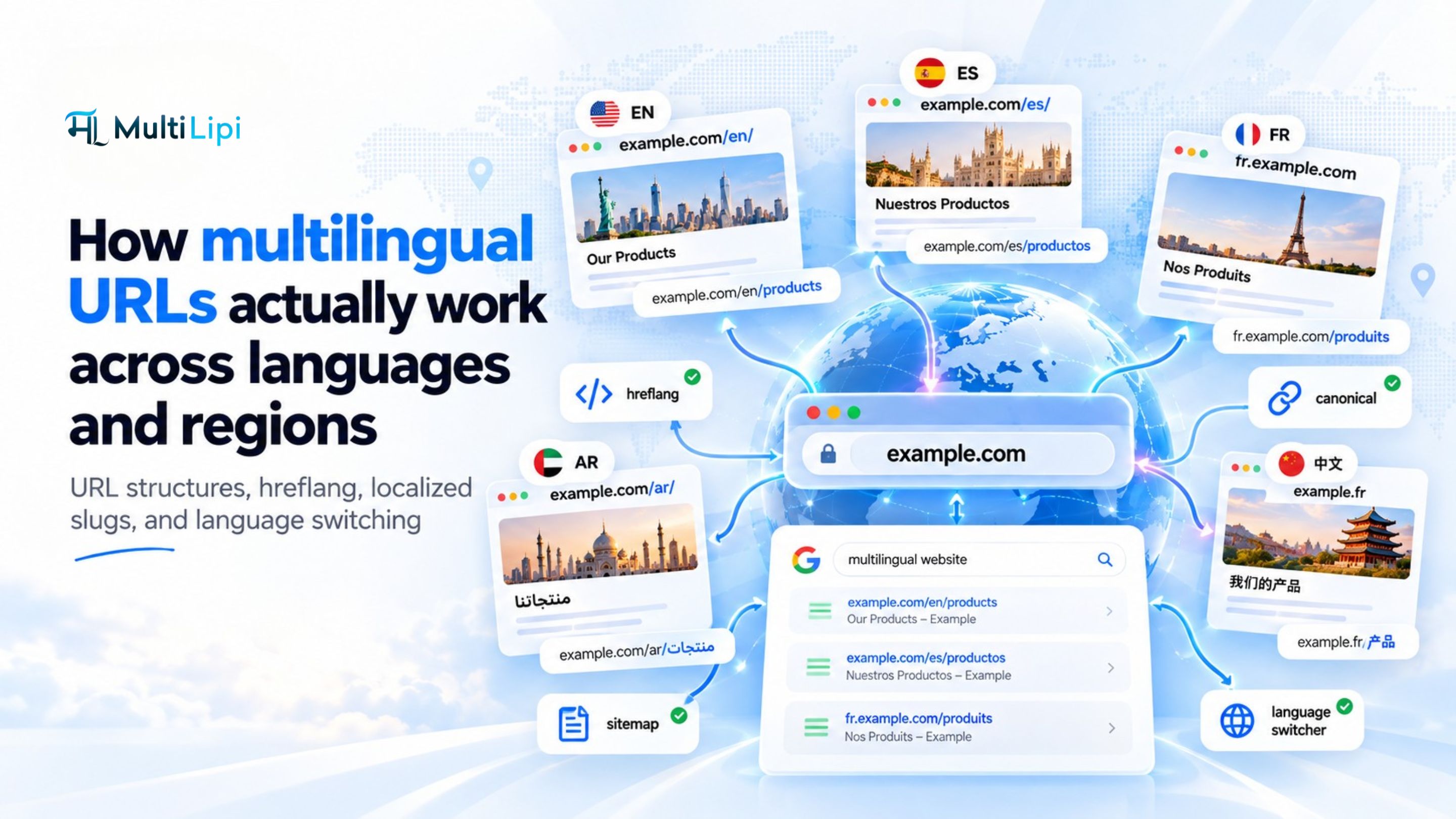
इससे निपटने के लिए, व्यवसायों को निर्माण करना चाहिए स्थानीयकृत ई-ई-ए-टीबड़े भाषा मॉडल किसी जल्दबाज़ इंसान की तरह ही सामग्री को स्कैन करते हैं। वे बुलेट पॉइंट, क्रमांकित सूचियाँ और संक्षिप्त सारांश जैसे संरचित, पचाने में आसान प्रारूप पसंद करते हैं। MultiLipi यह सुनिश्चित करने के लिए कि आपकी तकनीकी नींव जैसे hreflang टैग और अनुवादित स्कीमा त्रुटिहीन हैं, आप एआई को आपके अंग्रेजी साइट का स्वचालित रूप से अनुवाद करने के बजाय आपके स्थानीय-भाषा संस्करण को उद्धृत करने का आत्मविश्वास प्रदान करते हैं।
भाषाओं में एक सुसंगत ब्रांड पहचान बनाए रखना महत्वपूर्ण है। यदि आपके ब्रांड की एक भाषा में गलत व्याख्या की जाती है, तो वह त्रुटि AI के पूरे वैश्विक ज्ञान ग्राफ में तेजी से बढ़ सकती है।
प्रत्येक बाज़ार में आपको कितनी सामग्री की सुरक्षा करने की आवश्यकता है, इसका अनुमान लगाने के लिए, के साथ प्रारंभ करें। का उपयोग करके MultiLipi Word Count Tool.
निष्कर्ष: एआई-केंद्रित दृश्यता में बदलाव
केवल "ब्लू लिंक्स" पर निर्भर रहने का युग समाप्त हो गया है। चाहे आप इसे कहें एलएलएम ऑप्टिमाइज़ेशन या GEO, मिशन वही रहता है: सुनिश्चित करें कि आपके ब्रांड का प्रतिनिधित्व AI द्वारा आपके ग्राहकों को प्रदान किए गए उत्तरों में सटीक रूप से और बार-बार किया जाता है।
इकाई स्पष्टता, उत्तर-प्रथम सामग्री और तकनीकी साइट स्वास्थ्य को प्राथमिकता देकर, आप "ज़ीरो-क्लिक" प्रवृत्ति के विरुद्ध अपनी दृश्यता को भविष्य-प्रूफ कर सकते हैं।
हमारे द्वारा प्रदर्शित अनुसार बहुभाषी केस स्टडीज़, जो ब्रांड पारंपरिक कीवर्ड रणनीति से स्थानीयकृत AI अनुकूलन में परिवर्तित होते हैं, वे प्राधिकरण और रूपांतरण दोनों में महत्वपूर्ण वृद्धि देखते हैं।
उदाहरण के लिए, होटल कॉन्टिनेंटल हासिल किया LLM अनुकूलन क्या है? AI खोज के लिए 2026 गाइड अंतर्राष्ट्रीय AI क्रॉलर के लिए अपनी सामग्री को सही ढंग से संरचित करके ट्रैफ़िक में वृद्धि करें।
खोज का भविष्य केवल पाए जाने के बारे में नहीं है; यह उन मॉडलों द्वारा समझा जाना है जो अब उपभोक्ता निर्णयों का मार्गदर्शन करते हैं।