हम एक संरचनात्मक अस्थिरता के दौर में प्रवेश कर चुके हैं जिसे गार्टनर के उद्योग विश्लेषकों ने "द ग्रेट डिकपलिंग" (The Great Decoupling) कहा है। दो दशकों से अधिक समय से, सर्च इंजन और सामग्री निर्माताओं के बीच समझौता सरल था: हम जानकारी प्रदान करते हैं, और वे ट्रैफ़िक प्रदान करते हैं। वह समझौता समाप्त हो गया है।
🎯 अदृश्यता अंतर
2025 में, से अधिक 60% Google खोजों में से एक भी वेबसाइट पर क्लिक किए बिना समाप्त हो गई—यह एक ऐसी घटना है जो आक्रामक रोलआउट से प्रेरित है एआई ओवरव्यू (एआईओ) जो सीधे इंटरफ़ेस के भीतर उपयोगकर्ता के इरादे को संतुष्ट करते हैं।
कीवर्ड रैंकिंग, SERP पोजीशन, क्लिक-थ्रू रेट
शेयर ऑफ़ वॉयस (SOV), एट्रिब्यूशन, ब्रांड उल्लेख
For international brands: चिंता और भी तीव्र है। यदि आप एक सीएमओ या संस्थापक हैं जो अपने अंतरराष्ट्रीय ऑर्गेनिक ट्रैफ़िक को गायब होते देख रहे हैं, तो आप संभवतः "अदृश्यता गैप" का शिकार हैं - जहां आपका ब्रांड गूगल में पूरी तरह से इंडेक्स रहता है लेकिन एआई रिट्रीवल सिस्टम द्वारा पूरी तरह से अनदेखा कर दिया जाता है।
पारंपरिक बहुभाषी SEO—कीवर्ड का अनुवाद करने और hreflang टैग को मैप करने का अभ्यास—"ब्लू लिंक्स" की दुनिया के लिए डिज़ाइन किया गया था। आज, खोज चैटजीपीटी, जेमिनी और पर्प्लेक्सिटी जैसे बड़े भाषा मॉडल (एलएलएम) के माध्यम से होती है। ये "उत्तर इंजन" पृष्ठ एक पर आपकी रैंक की परवाह नहीं करते हैं; वे परवाह करते हैं कि आपकी सामग्री एक उत्पन्न प्रतिक्रिया में निश्चित स्रोत के रूप में उद्धृत होने के लिए पर्याप्त आधिकारिक और संरचित है या नहीं।
मुख्य रणनीतिक अंतर्दृष्टि
In the तर्क अर्थव्यवस्था, "क्लिक" एक द्वितीयक मीट्रिक है। प्राथमिक मीट्रिक है शेयर ऑफ वॉइस (SOV) AI प्रतिक्रियाओं के भीतर। यदि कोई AI मॉडल आपके प्रतियोगी के डेटा का उपयोग करके उत्तर संश्लेषित करता है, तो आपने ग्राहक को उनके अस्तित्व में आने से पहले ही खो दिया है।
इकाइयों को परिभाषित करना: तर्क अर्थव्यवस्था का आर्किटेक्चर
जेनरेटिव सर्च में बदलाव से बचने वाली रणनीति बनाने के लिए, हमें पहले उन मौलिक "एंटिटी" को समझना होगा जो एआई व्यवहार को नियंत्रित करती हैं। बड़े भाषा मॉडल मनुष्यों की तरह वेबसाइटों को "पढ़ते" नहीं हैं; वे उन्हें अवधारणाओं और संबंधों के नॉलेज ग्राफ़ में पार्स करते हैं।
जेनरेटिव इंजन ऑप्टिमाइज़ेशन (GEO)
सामग्री को संरचित करने की तकनीकी और रचनात्मक अनुशासन ताकि एआई प्लेटफार्मों द्वारा उद्धृत होने की संभावना अधिकतम हो। जबकि एसईओ एक स्थिति के लिए अनुकूलन करता है, जीईओ एट्रिब्यूशन के लिए अनुकूलन करता है। यह इसके पीछे का मूल दर्शन है मल्टीलिपि का जियो फ्रेमवर्क.
पुनर्प्राप्ति-संवर्धित जनरेशन (RAG)
एक AI मॉडल—जैसे GPT-4 या Claude 3.5—द्वारा उत्तर उत्पन्न करने से पहले वर्तमान जानकारी खोजने के लिए लाइव वेब को क्वेरी करने की प्रक्रिया। एक बहुभाषी संदर्भ में, RAG सिस्टम क्रॉस-लिंगुअल सूचना पुनर्प्राप्ति (CLIR) करते हैं।
स्कीमा मार्कअप (JSON-LD)
एक मशीन-पठनीय कोड ब्लॉक जो पृष्ठ पर संस्थाओं के लिए स्पष्ट परिभाषाएँ प्रदान करता है। इसे "सिमेंटिक फिंगरप्रिंट" के रूप में सोचें। एक वैश्विक ब्रांड के लिए, बहुभाषी स्कीमा यह सुनिश्चित करने का एकमात्र तरीका है कि AI मॉडल को पता चले कि आपका "उत्पाद" स्पेनिश में आपके "उत्पाद" अंग्रेजी में समान है।
तकनीकी अवसंरचना: एआई क्रॉलर के लिए तैयारी
किसी भी बहुभाषी GEO रणनीति में पहला कदम है technical accessibility. यदि AI क्रॉलर—जैसे GPTBot या OAI-Search—आपके अनुवादित पृष्ठों को पार्स नहीं कर सकता है, तो आप पुनर्प्राप्ति सेट में मौजूद नहीं हैं।
1. सर्वर-साइड रेंडरिंग (SSR) की अनिवार्यता
कई अंतरराष्ट्रीय साइटें एक विनाशकारी गलती करती हैं, वह है क्लाइंट-साइड जावास्क्रिप्ट अनुवाद प्रस्तुत करने के लिए। AI बॉट अक्सर "आलसी" क्रॉलर होते हैं; वे मुख्य रूप से सर्वर द्वारा लौटाए गए स्थिर HTML को पढ़ते हैं। यदि आपके अनुवाद पृष्ठ प्रस्तुत होने के बाद लोड होते हैं, तो बॉट मूल अंग्रेजी सामग्री देखता है और अनुवादित संस्करण को अनदेखा कर देता है।
MultiLipi Solution: हमारा प्लेटफ़ॉर्म उपयोग करता है एज नेटवर्क डिलीवरी हर AI एजेंट को तत्काल, पूर्व-रेंडर किया गया HTML प्रदान करना, 100% क्रॉल करने की क्षमता सुनिश्चित करना।
2. रोबोट्स.टीएक्सटी (Robots.txt) और "क्लाउडफ्लेयर बैरियर" (Cloudflare Barrier)
हाल ही में, कई सीडीएन ने बैंडविड्थ को "सुरक्षित" रखने के लिए डिफ़ॉल्ट रूप से एआई क्रॉलर को ब्लॉक करना शुरू कर दिया है। जबकि इससे सर्वर लागत बचती है, यह आपकी एआई दृश्यता के लिए मौत की सजा है। आपको अपने रोबोट्स.टीएक्सटी का ऑडिट करना चाहिए ताकि यह सुनिश्चित हो सके कि आप उन प्रणालियों को ब्लॉक नहीं कर रहे हैं जो आपको उद्धृत कर सकती हैं।
हमारे साथ अपने साइट का स्वास्थ्य सत्यापित करें निःशुल्क Robots.txt सत्यापनकर्ता यह देखने के लिए कि क्या आप अनजाने में खोज के भविष्य से छिप रहे हैं।
3. Hreflang: वैश्विक इरादे की तकनीकी रीढ़
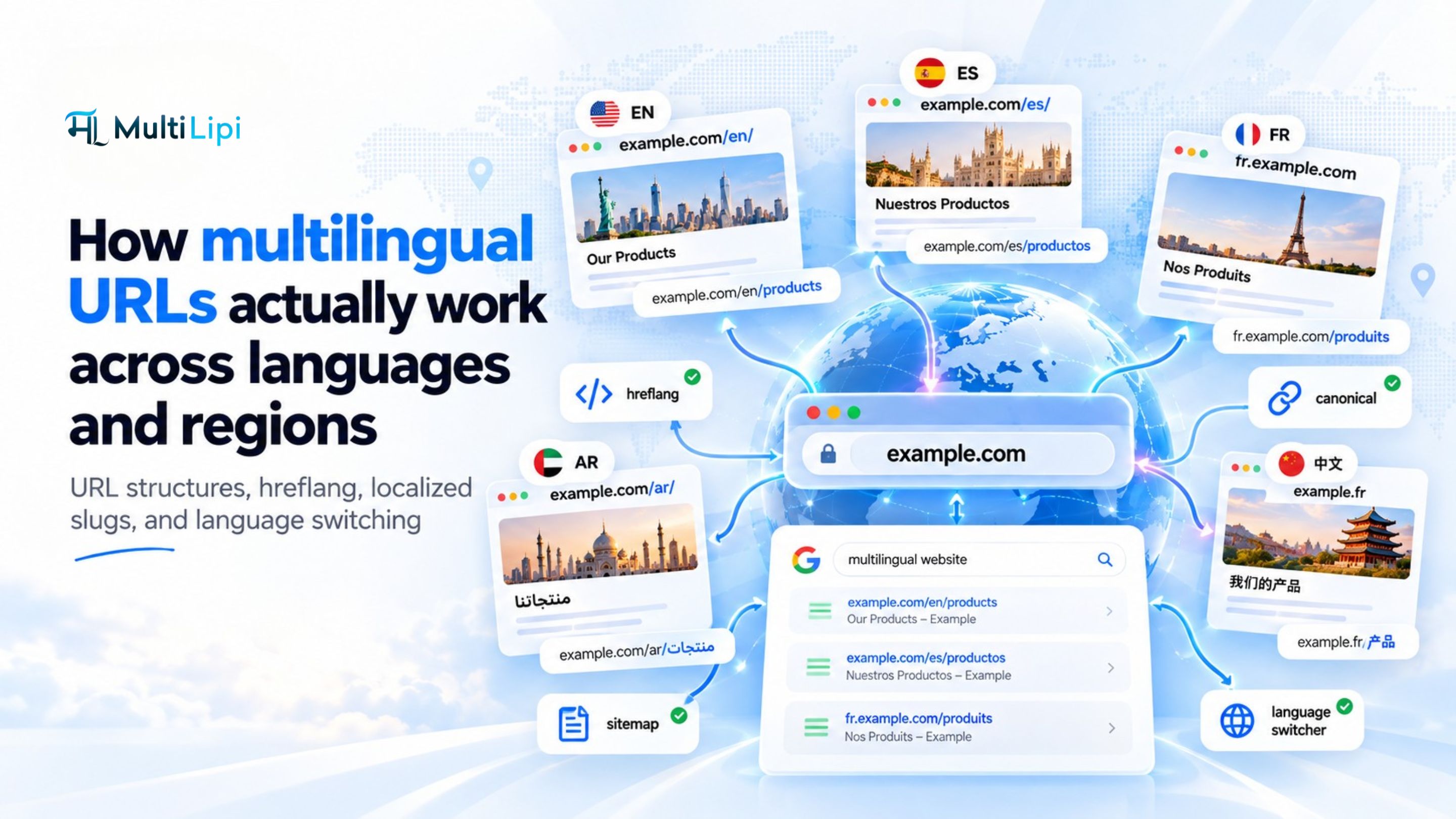
पारंपरिक SEO में, hreflang टैग prevent duplicate content. In the GEO era, they act as a रिश्ता मानचित्र. वे एक LLM को बताते हैं: "यह फ्रेंच पेज इस विशिष्ट लोकेल के लिए आधिकारिक संस्करण है।"
इसके बिना, बर्लिन में किसी प्रश्न का उत्तर देने वाला AI आपके अंग्रेजी पृष्ठ का हवाला दे सकता है, जिससे एक अप्रिय उपयोगकर्ता अनुभव और कम रूपांतरण दर हो सकती है। कार्यान्वयन में गहराई से जाने के लिए, हमारा व्यापक गाइड पढ़ें: Hreflang टैग और AI सर्च इंजन.
सिमेंटिक मैपिंग: कीवर्ड से इरादे की ओर बढ़ना
"एकल कीवर्ड" को लक्षित करने का युग समाप्त हो गया है। आधुनिक खोज द्वारा संचालित है वेक्टर सर्च और प्राकृतिक भाषा प्रसंस्करण (एनएलपी). "एसईओ टूल" पृष्ठ पर कितनी बार दिखाई देता है, इसकी गिनती करने के बजाय, एआई मॉडल सिमेंटिक सर्च क्लस्टर का मूल्यांकन करते हैं - संबंधित विषयों का नेटवर्क जो साबित करता है कि आपके पास व्यापक अधिकार है।
🎯 विषय क्लस्टरिंग और पिलर-स्पोक मॉडल
जेनरेटिव सर्च में जीतने के लिए, आपको "विषय का स्वामी बनें"। इसमें शामिल हैं:
पिलर पेज
एक व्यापक, लंबे समय तक चलने वाला गाइड एक व्यापक विषय पर (जैसे, "वैश्विक सामग्री विपणन")।
क्लस्टर (स्पोक)
विस्तृत उप-पृष्ठ जो विशिष्ट उप-क्वेरी में गहराई से उतरते हैं (जैसे, "जापान में स्थानीयकृत कीवर्ड अनुसंधान")।
महत्वपूर्ण अंतर्दृष्टि: अंतरराष्ट्रीय ब्रांडों के लिए, यह क्लस्टरिंग की जानी चाहिए प्रति भाषा। अमेरिका में काम करने वाला एक क्लस्टर ब्राजील में काम नहीं कर सकता क्योंकि खोज का इरादा अलग है। जानें कि हमने स्थानीयकरण के साथ एक विश्वविद्यालय की मदद कैसे की: View Case Studies.
एंटिटी डिसएम्बिगुएशन
एआई मॉडल स्पष्टता पर पनपते हैं। यदि आपकी सामग्री "एप्पल" का उल्लेख करती है, तो मॉडल को यह जानने की आवश्यकता है कि क्या आपका मतलब टेक दिग्गज है या फल। उपयोग करें स्कीमा मैक्सिमलिज्म to define your brand, your founders, and your products as specific entities. This "Entity Linking" gives the AI the confidence to cite you as a trusted source.
इस पर अधिक जानकारी हमारी रिपोर्ट में मिल सकती है: कीवर्ड से एंटिटी तक.
एआई उद्धरणों के लिए सामग्री इंजीनियरिंग: "स्की रैंप" पैटर्न
एआई उद्धरण पैटर्न में शोध से पता चलता है कि एलएलएम स्रोतों को चुनने के तरीके में अत्यधिक अनुमानित हैं। 1.2 मिलियन चैटजीपीटी प्रतिक्रियाओं के एक अध्ययन से पता चला है कि 44.2% उद्धरणों में से पहला आता है 30% एक पृष्ठ की सामग्री का—एक संरचना जिसे "स्की रैंप" के रूप में जाना जाता है।
BLUF फ्रेमवर्क (बॉटम लाइन अप फ्रंट)
मशीन निष्कर्षण के लिए अनुकूलन करने के लिए, आपको उत्तर के साथ शुरुआत करनी होगी।
AI के लिए सारांश
प्रत्येक पृष्ठ को 2-3 वाक्यों के पैराग्राफ से शुरू करें जो प्राथमिक इरादे का सीधे उत्तर देता हो।
प्रश्न-आधारित शीर्षक (H2)
ऐसे हेडिंग का उपयोग करें जो संवादी संकेतों को दर्शाते हों (जैसे, "मल्टीलिंगुअल SEO ChatGPT के साथ कैसे काम करता है?")।
तथ्यात्मक घनत्व
एआई मॉडल विशिष्ट संख्याओं, प्रतिशत और डेटा बिंदुओं वाली सामग्री को प्राथमिकता देते हैं।
विशेषज्ञ अंतर्दृष्टि
"अनावश्यक पृष्ठों का हवाला नहीं दिया जाता है।" यदि आपकी अनुवादित ब्लॉग पोस्ट विकिपीडिया लेख का एक सामान्य पुनर्लेखन है, तो AI हमेशा विकिपीडिया का हवाला देगा। आपको प्रदान करना होगा सूचना लाभ—मूल शोध, मालिकाना डेटा, या अद्वितीय ढाँचे।
उच्च-मूल्य वाली सामग्री बनाने के सुझावों के लिए, यहाँ देखें: सूचना लाभ एसईओ मुद्रा के रूप में.
बहुभाषी GEO: प्लेटफ़ॉर्म पूर्वाग्रहों के लिए अनुकूलन
Not all AI engines are the same. Your strategy must be tailored to the specific platform your audience uses.
| प्लेटफॉर्म | कोर उद्धरण पूर्वाग्रह | वैश्विक स्रोत वरीयता |
|---|---|---|
| चैटजीपीटी | विकिपीडिया (47.9%), समाचार, प्राधिकरण | उच्च DA, सहकर्मी-सत्यापित सामग्री |
| Perplexity | रेडिट (46.7%), नवीनता, समुदाय | रीयल-टाइम वेब, फ़ोरम चर्चाएँ |
| Gemini | Google नॉलेज ग्राफ़, E-E-A-T | आधिकारिक ब्रांड स्रोत, स्थानीय व्यावसायिक डेटा |
| क्लॉड | Technical precision, Conservative tone | औपचारिक दस्तावेज़ीकरण, वैज्ञानिक डेटा |
एक वैश्विक ब्रांड के लिए, इसका मतलब है कि आपको एक विविध फुटप्रिंट. आपको स्थानीय-भाषा सबरेडिट्स (परप्लेक्सिटी के लिए) और आधिकारिक स्थानीय समाचार उद्धरणों (चैटजीपीटी के लिए) पर ब्रांड उल्लेखों की आवश्यकता है। यह "आत्मविश्वास समाधान" है जो हम प्रदान करते हैं MultiLipi: अपने डिस्कवरी इंफ्रास्ट्रक्चर का प्रबंधन करें ताकि आपको हर जगह उद्धृत किया जा सके।
2026 बहुभाषी एसईओ रोडमैप: एक चरण-दर-चरण ढाँचा
सीएमओ के लिए जो अपनी दृश्यता वापस पाने के लिए तैयार हैं, हम निम्नलिखित पांच-चरणीय संक्रमण योजना की सलाह देते हैं:
चरण 1: सामग्री घनत्व ऑडिट
अनुकूलन करने से पहले, आपको पता होना चाहिए कि आपके पास क्या है। अपने पूरे अंतरराष्ट्रीय फुटप्रिंट को स्कैन करें ताकि यह पता चल सके कि कौन से बाज़ार "पतले" हैं और AI ट्रैफ़िक हानि के प्रति संवेदनशील हैं।
🛠️ मल्टीलिपि वर्ड काउंट टूलचरण 2: तकनीकी संकेत सत्यापन
सुनिश्चित करें कि आपके भाषा संस्करण सही ढंग से मैप किए गए हैं। यदि आपका hreflang सेटअप टूटा हुआ है, तो एआई मॉडल आपकी साइट के विभिन्न संस्करणों में आपके अधिकार को खंडित कर देंगे।
🛠️ मल्टीलिपि hreflang चेकरचरण 3: इकाई-प्रथम पुनर्गठन
अपने शीर्ष प्रदर्शन करने वाले अंतर्राष्ट्रीय पृष्ठों का ऑडिट करें। क्या आप उत्तर के साथ शुरुआत कर रहे हैं? क्या आपका ब्रांड JSON-LD में परिभाषित है? इसे "उद्धृत" करने योग्य बनाने के लिए BLUF मॉडल का उपयोग करके अपनी सामग्री को पुनर्गठित करें।
चरण 4: सूचना लाभ स्थानीयकरण
शाब्दिक अनुवाद करना बंद करें। स्थानीय सांस्कृतिक बारीकियों के लिए अपनी सामग्री को अनुकूलित करें, यह सुनिश्चित करते हुए कि आप "नई" जानकारी प्रदान करते हैं जो उस विशिष्ट भाषा में कहीं और उपलब्ध नहीं है।
🛠️ मल्टीलिपि ग्लोबल कॉन्टेक्स्ट इंजनचरण 5: AI दृश्यता ट्रैकिंग
Google Search Console को सत्य के अपने एकमात्र स्रोत के रूप में देखना बंद करें। आपको ChatGPT और Perplexity में अपनी Share of Voice को ट्रैक करने की आवश्यकता है।
🛠️ हमारे केस स्टडीज देखेंसफलता का मापन: वैश्विक ब्रांडों के लिए नए KPI
GEO युग में, "सत्र" एक दिखावटी मीट्रिक है। यदि किसी उपयोगकर्ता को एआई स्निपेट से वह उत्तर मिल जाता है जिसमें आपके ब्रांड का उल्लेख है, तो आपने क्लिक के बिना भी जागरूकता की लड़ाई जीत ली है।
उद्धरण आवृत्ति
आपके आला में "कैसे करें" प्रश्नों के लिए ChatGPT कितनी बार आपके ब्रांड का उल्लेख करता है?
ब्रांड भावना सटीकता
LLM आपके उत्पाद का वर्णन कैसे करता है? क्या यह सटीक है या यह मतिभ्रम कर रहा है?
प्रॉम्प्ट-टू-कन्वर्जन
एआई खोज से क्लिक का इरादा अधिक होता है। एक उपयोगकर्ता जिसने उद्धरण पर क्लिक किया है, वह पहले से ही शोध चरण से गुजर चुका है।
निष्कर्ष: रीजनिंग इकोनॉमी पर हावी होना
The "Great Decoupling" is not an ending; it is a new beginning for brands that are brave enough to evolve. The future belongs to those who view their website not as a collection of pages, but as a बहुभाषी ज्ञान आधार मशीन तर्क के लिए अनुकूलित।
तकनीकी सटीकता को एकीकृत करके मल्टीलिपि का बहुभाषी एसईओ प्लेटफॉर्म सूचना लाभ और इकाई प्राधिकरण पर ध्यान केंद्रित करके, आप "ब्लू लिंक" से आगे बढ़ सकते हैं और वैश्विक AI बातचीत में एक स्थायी उपस्थिति बन सकते हैं।
आज ही अपनी जियो यात्रा शुरू करें
शून्य-क्लिक युग में अपने ब्रांड को हताहत न होने दें। आज ही जेनरेटिव इंजन ऑप्टिमाइज़ेशन में अपनी यात्रा शुरू करें और अपनी अंतर्राष्ट्रीय दृश्यता पुनः प्राप्त करें 120+ भाषाएँ भविष्य के।
अक्सर पूछे जाने वाले प्रश्न (FAQ)
क्या पारंपरिक बहुभाषी एसईओ मर चुका है?
नहीं, लेकिन यह अब अंतिम लक्ष्य नहीं है। पारंपरिक एसईओ "इंडेक्सिंग" प्रदान करता है जो एआई मॉडल को आपकी सामग्री खोजने की अनुमति देता है। जीईओ वह परत है जो यह सुनिश्चित करती है कि जब आपको ढूंढ लिया जाए तो आपको उद्धृत किया जाए।
मल्टीलिपि AI उद्धरणों में कैसे मदद करता है?
मल्टीलिपी केवल टेक्स्ट का अनुवाद नहीं करता है; यह इसे संरचित करता है। हम स्वचालित रूप से स्थानीयकृत JSON-LD इंजेक्ट करते हैं, hreflang संबंधों का प्रबंधन करते हैं, और सुनिश्चित करते हैं कि आपकी सामग्री एक हाई-स्पीड एज नेटवर्क के माध्यम से वितरित की जाती है जिसे AI बॉट आसानी से क्रॉल कर सकते हैं।
क्या AI खोज के लिए शब्दों की गिनती मायने रखती है?
एआई मॉडल कच्चेपन की लंबाई पर "तथ्यात्मक घनत्व" पसंद करते हैं। अद्वितीय डेटा के साथ 500 शब्दों का पोस्ट जेनेरिक टेक्स्ट के 3,000 शब्दों के पोस्ट की तुलना में जीईओ के लिए 10 गुना अधिक मूल्यवान है।
क्या AI खोज वास्तव में बिक्री बढ़ा सकती है यदि कोई क्लिक न हो?
Yes. This is the "Zero-Click Opportunity." AI models act as trusted advisors. If an AI recommends your brand to a user, it builds a level of trust that traditional advertising cannot match. When that user eventually does click, the conversion rate is significantly higher.